
Design for the Climate Emergency
The response to climate change represents one of the most consequential challenges of the twenty-first century. The increasing frequency and intensity of extreme climatic events, together with shifts in thermal and precipitation regimes and other environmental parameters, are progressively undermining the operating conditions for which buildings and urban systems were originally conceived. The Intergovernmental Panel on Climate Change (IPCC) has documented compelling evidence that climate impacts on the built environment will intensify, rendering the implementation of adaptation measures imperative.
In this context, a critical reassessment of design paradigms grounded in historical climate series, typically predicated on assumptions of environmental stationarity and seasonality, is urgently required. There is, therefore, a need to advance toward resilient and adaptive design approaches at both building and urban scales, capable of maintaining essential functions throughout their life cycle while embedding capacities to absorb, accommodate, and adapt to climatic impacts.
This conference fosters international networks that integrate teaching, practice, and research to critically engage with an emerging paradigm shift toward resilient, regenerative, and sustainable living environments. Each track will seek to integrate both practice and research through case studies and research papers.
Main Tracks
Carbon-Neutral Design: Advances climate mitigation through emissions reduction, examining urban and architectural strategies to achieve net-zero energy use and carbon emissions.
Tools and Simulation Methods: Investigates measurement techniques and predictive modelling approaches that enable evidence-based decision-making under climate uncertainty, including the application of climate projections developed by the IPCC.
Climate-Responsive Design: Addresses design approaches that anticipate climatic instability to maintain critical functions and strengthen adaptive capacity, supporting resilient and sustainable futures.
Venue
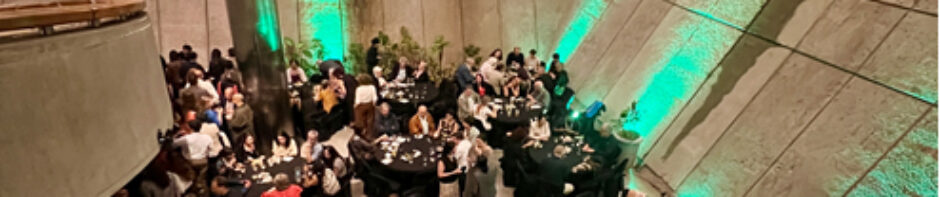
The conference will be held at the Old Tobacco Factory, which today functions as one of the campuses of the University of Seville. It is the most important 18th-century industrial building in Spain and one of the largest, covering an area of 25,725 square meters (https://www.youtube.com/watch?v=HtjpQhB-MqY).
It is located in the heart of the city, within easy walking distance of three UNESCO World Heritage sites: the Alcázar Palace, the cathedral (the largest Gothic building in Europe), and the General Archive of the Indies. It is also next to the historic Alfonso XIII Hotel, built for the 1929 Ibero-American Exposition, and just steps away from Las Atarazanas, former shipyards built in the 13th century, now housing a 12,600-square-meter cultural center. Conference tours and workshops will also be organized.
Local Organising Team
José María Cabeza Láinez, Carmen Galán Marín, Victoria Patricia López Cabeza and Ismael Domínguez Sánchez de la Blanca. I will include the directors of PLEA in the Organizing Committee, as well as the associates in the Scientific Committee, in addition to an international network.
Key Proposed Dates
Abstract submission deadline: September 30, 2027
Abstract acceptance notification: October 31, 2027
Paper submission deadline: March 15, 2028
Paper acceptance and reviewer comments: April 10, 2028
Final paper submission deadline: May 4, 2028
2028 Plea Conference: June 12–15, 2028
MORE TO COME SOON!